Column · @zanderdxas158
Do It Yourself vs. Pro Window Setup: Which Choice Is Right for You?
Replacing home windows looks basic from the outside. A few screws, some spray foam, a cool line of caulk. After that you pull the old device and find out the sill is out of degree by half an inch, the opening is 3/8 too narrow on one side, and the housewrap has been sliced and embeded a manner in which encourages water to sit precisely where it should not. That's the difference between the YouTube variation and the variation you meet a crowbar in your hand.
Window installment and home window substitute sit at the intersection of structure, weatherproofing, energy performance, and finish carpentry. Whether you take on the work yourself or employ a professional depends less on blowing and more on the specifics of your home, your resistance for detail, and the dangers you agree to take care of. I have actually mounted windows on 120-year-old Victorians with balloon framework and on brand-new builds with perfect, plumb openings, and the suggestions moves with context. Let's damage down the decision so you can choose with clear eyes.
What modifications when you change a window
The window you see is only part of the system. A modern-day unit is a mounted box with glass, yet the house is the other half of the formula. Openings must take care of water, air, and activity. Nails or screws hold the window; blinking and shims make it last. Power performance depends on the glass and coverings, sure, however additionally on whether outside air flows behind your covering because of a space the installer missed.
There are 2 typical extents:
-
Full-frame substitute: You eliminate the whole old window, including the framework, to the harsh opening. This provides the very best opportunity to evaluate and fix rot, reflash the opening, and right out-of-square framework. It additionally implies brand-new exterior trim or exterior siding work and fresh indoor casing, occasionally drywall repair.
-
Insert substitute (pocket mount): You get rid of the sashes however leave the existing structure. The brand-new unit glides right into the old frame. It's much faster, prices much less, and preserves existing trim, yet it relies on the old frame being sound, square, and thoroughly weatherproofed. You shed a little bit of glass location, and you can't address hidden rot in the old frame.
DIY viability splits here. Pocket mounts sometimes drop within a confident house owner's reach. Full-frame replacements live closer to specialist region, specifically when you should incorporate new flashing with existing housewrap or stucco.
Where the genuine problem lies
Two jobs define the success of a window set up: making the opening square and plumb, and maintaining water out. Air securing is ideal behind.
Plumb and square audios abstract until you fit the sash and it binds, or you observe daytime in the leading edge. With older homes, you can't presume anything. I've seen 1/2 inch of bow on a 3-foot sill and a header that sagged enough to transform a rectangle right into a trapezoid. Shims can deal with small wrongs, yet you require to acknowledge when you're entering architectural repair service, not a simple replacement.
Water monitoring has a high learning curve. Proper flashing is layered, like tiles, so water constantly sheds to the exterior. The sill pan must direct any kind of water that creeps past the outside flange out and away. Flashing tape requires tidy, completely dry substratums and strong pressure to bond. Sealer selections issue: some solvents in caulks can strike plastic; some tapes don't adhere well in the cold. Avoid or invert a layer, and a few years later you're staring at soft wood and mold and mildew behind the jambs.
Air sealing looks easy, yet it's simple to overfill tooth cavities with spray foam and bow the frame. An even bead of low-expansion foam makes the difference in between a tight device and a sash that will not move when the temperature swings.
What DIY looks like when it goes right
A straightforward DIY home window substitute typically has a couple of things in common. The house is reasonably current, the harsh openings are close to square, and the outside cladding is flexible, like lap siding you can pull and reattach. You've measured hardware-store design but validated carpenter design: size and elevation in three places, angled measurements for squareness, and clearances represented. The systems are typical dimensions, ready with factory-applied exterior flanges and a supplier's installation guide you agree to review and follow.
Assembly-line repetition assists. If you're doing 8 same-size insert systems on the north side, you'll improve on every one. With great preparation, 2 individuals, and small openings, I've seen home owners knock senseless a couple of inserts in a day without hurrying, consisting of indoor trim touch-ups. Full-frame substitutes are much more like one per day if nothing goes sideways.
Where DIY beams remains in focus to information when you have the patience for it. A mindful homeowner may invest an extra hour fussing with shims to hit an even expose, or run back to the shop for a far better sealant after reviewing the product specification sheet. You own the outcome, and in some cases that creates a far better outcome than a hurried crew on a flat-rate contract.
Where DIY stumbles
Most DIY difficulty begins with assumptions. Thinking the opening is sound due to the fact that the painted sill looks penalty. Thinking housewrap exists behind the exterior siding when the last remodeler quit it except the window. Presuming a do it yourself set will include the best fasteners, shims, and flashing tape. It typically won't.
Old supply home windows usually conceal rot in the reduced corners. You will not know till you draw the structure and locate saturated studs. Now you enjoy sill repair, possibly sistering a stud or rebuilding an edge. You require pressure-treated lumber touching stonework or a proper capillary break. If the wall surface is stucco or rock veneer, outside combination gets technical. Eliminating a nail-fin home window in block without damaging the surrounding stonework can turn a weekend break project into a multi-week saga.
Even with a clean opening, tiny gaps issue. Forget to incline the sill pan, and water can pool. Cut edges on backer pole and sealer, and you'll have a large grain that splits as it remedies. Mount a home window out of degree by a quarter inch, and the sash may wander open by itself. I have actually seen home windows foam-locked so limited the equilibriums stopped working in a period due to the fact that the structure distorted.
What the pros bring that you can not purchase the store
Professional installers offer muscular tissue memory, tooling, and liability. Muscle mass memory shows up in pace and analytic. A knowledgeable crew can diagnose a bowed opening by eye, and they'll have a psychological library of fixes that don't show up in a sales brochure. They'll lug frying pan flashings, sill wedges, brake-bent aluminum cladding, and fasteners for every single substratum, from old-growth fir to put concrete.
Tooling isn't just about miter saws and levels. It's brake equipments for flexing exterior cladding to match trim profiles, oscillating devices to damage stubborn housing, and vacuum lifters for huge building systems. With huge triples or picture home windows, the distinction between 3 individuals raising at uncomfortable angles and a staff with suction cups is the distinction in between a clean mount and a cracked unit.
Liability and warranty issue. Several suppliers connect long-term guarantees to correct installment by licensed professionals. A credible attire carries insurance policy, backs craftsmanship for a number of years, and returns to deal with a weeping edge without saying. If they mis-flash an opening and you obtain water damages, you have somebody to call. With do it yourself, you possess that risk.
Cost, in straightforward numbers
Window expenses differ commonly by region and spec, but a couple of approximation help. A mid-range vinyl insert home window could cost 250 to 600 each. A similar full-frame unit could run 400 to 900. Fiberglass or composite dives to 600 to 1,200, and customized dimensions or specialized forms climb up greater. Labor from an expert installer for common units commonly varies from 200 to 500 per window for inserts and 400 to 900 for full-frame replacements, with even more for complex exteriors, stonework, or cut-in openings. Removal and disposal costs are regularly separate.
DIY conserves the labor line, yet anticipate to invest in materials not consisted of with the window: high quality blinking tape, butyl or acrylic, 25 to 60 per opening; preformed sill pans or metal frying pans, 10 to 40; low-expansion foam, 8 to 15 per can; shims, backer rod, and sealants, another 20 to 40. If you need to rent out hosting or purchase a brake for cladding, costs rise promptly. The surprise price is time. A mindful home owner could commit several weekend breaks to a whole-house job a team might end up in 2 days.
Energy savings can balance out costs in time, but that pivots extra on proper air securing and installment than on the price tag of the home window. A poorly secured high-performance system leakages bucks as certainly as a breezy antique.
Safety and accessibility aren't side notes
Windows on upper floorings complicate every little thing. Safe accessibility from the exterior usually requires ladders with stand-offs, slabs, or scaffolding. Bring a 70-pound home window up a ladder is a dish for a slipped hold and a broken device. Pros stage from the inside when possible, however they prepare for dealing with and tie-offs where needed.
Lead paint transforms the guidelines. Homes constructed before 1978 might have lead-based paint on sashes and trim. Disturbing it activates EPA Renovation, Repair and Paint (RRP) needs. Licensed specialists follow containment, dust control, and cleanup procedures. Home owners aren't legitimately bound by the exact same regulations for their own house in several jurisdictions, however neglecting risk-free practices risks your health and that of your family. Lead dust is undetectable and unforgiving.
Glass is another safety and security issue. Safety glass is called for by code in certain locations, like near doors, in bathrooms, and close to flooring level. Changing a home window with the incorrect glazing can develop code violations and safety dangers. Pros tend to catch these nuances; DIYers often learn them after the examiner flags the mistake.
The performance layer: past the sticker
Every window lugs rankings for U-factor, solar heat gain coefficient (SHGC), visible passage, and often air leak. These numbers matter, but you need to match them to your environment and the room's direct exposure. North environments typically take advantage of lower U-factors and moderately greater SHGC on south-facing altitudes to record winter months sunlight. Hot environments go for reduced SHGC to decrease warmth gain. Three-way glazing lowers condensation threat and boosts comfort near big glass areas, yet the expense and weight increase.

Installation top quality affects performance as long as the glass plan. A well-installed mid-grade window will certainly exceed a costs system that runs out square or inadequately sealed. This is where professional installation commonly delivers value past labor expense: regular air securing, correct shim placement to maintain structure geometry, and reputable combination with weather condition barriers.
How to choose, tip by step
A clear-eyed decision begins with your beginning point, not an abstract choice for conserving money or hiring out. Respond to these inquiries honestly.
-
What is the condition of your openings? Draw interior trim at one agent window to look for rot, out-of-square framework, and previous water intrusion. Probe wood with an awl, step diagonals, and try to find discoloration or soft spots.
-
What exterior cladding do you have? Lap siding and removable casings are workable. Brick, rock, stucco, and EIFS elevate the difficulty degree since blinking assimilation obtains technological and errors are costly.
-
Are you doing insert or full-frame? If the existing structures are solid and square, inserts lower intricacy. If you see rot, leak, or performance problems from the old frameworks, full-frame substitute is more sincere and usually an expert job.
-
How many windows and where? 1 or 2 first-floor inserts might be a weekend break do it yourself. A whole home with second-story units and image windows leans greatly toward working with pros.
-
Do you have the perseverance and help? You require at least two sets of hands for a lot of installs. If you're meticulous, comfortable with a level and a saw, and ready to read manufacturer directions and regional code, DIY can work with straightforward cases.
If you're on the fencing, try a pilot home window in a low-risk location. Choose the least critical opening and treat it as an understanding task. You'll find out more from one real install than from ten video clips, and the outcome will certainly inform you whether to continue or call a pro.
What an expert price quote need to include
Not all specialists run similarly. A good quote is transparent. It names the brand name and series of the home window, reveals dimensions, glass choices, and color or surface information. It specifies whether the work is insert or full-frame, listings exactly how the opening will be blinked, and defines sealants and tapes by kind, not vague "caulk and waterproofing." It clarifies interior and exterior trim job, paint or staining, and just how broken locations will be taken care of if found. It includes disposal of old devices, allows if needed, and service warranty terms for both item and labor.
Ask how the team takes care of quirks: out-of-square openings, bowed studs, and sills out of degree. A pro needs to be able to clarify how they will certainly shim without distorting the frame, when they'll utilize preformed pans, and exactly how they integrate with housewrap or stiff foam on the sheathing. Their answers do not require to be poetic; they require to be specific.
A reasonable do it yourself process in broad strokes
If you make a decision to DIY a straightforward insert substitute, your series must be purposeful. Get rid of indoor stops very carefully to preserve them. Support the sash as you remove equilibriums or ropes. Vacuum dirt and debris so your foam and tape bond well. Dry-fit the brand-new system to verify size, after that established a continual bead of sealant on the sill of the old frame before inserting the brand-new window. Usage opposing shims at joint points so you do not rack the framework. Examine level, plumb, and reveal with every screw. Tighten up fasteners just tight enough. Shield the gap with low-expansion foam, moderately. After cure, cut the foam and install backer rod and an effectively tooled interior sealant joint behind the housing. Outside securing depends on your existing tornado and trim; if the initial arrangement relies upon a storm window, you'll require to readjust the plan.
For full-frame DIY, the procedure adds demolition, exterior blinking, and more possibilities to mistake. You'll reduce paint lines, get rid of exterior trim, tear the old framework out, and frequently find you need to clean and squash the harsh opening. A sloped sill frying pan issues. If you don't understand how to produce a frying pan with self-adhered blinking or a preformed item that drains to daylight, pause and learn. This is the membrane layer that conserves you years down the road.
Edge situations that change the answer
Historic districts and HOA regulations can constrict your selections. You may require timber windows with specific muntin patterns, or divided-lite information that can not be faked with snap-in grids. Custom timber windows are hefty and expensive. Proficient pros gain their money on these jobs because they preserve details that matter to the character of the home, and they coordinate approvals.
Passive home or near-zero power retrofits elevate the bar for airtightness and thermal continuity. You're currently taking notice of insulation around the home window boundary, thermal breaks at the sill, and the transition from the home window structure to the air obstacle of the wall. That asks for tapes and gaskets beyond the big-box aisle and for treatment that goes beyond a basic install. DIY is feasible if you're deeply involved and ready to research, however many homeowners generate installers trained in high-performance detailing.
Coastal and high-wind zones bring impact-rated home windows, larger structures, and certain attaching routines. Your bolts need to pass through the framework to a certain deepness and spacing. Assessors may call for paperwork. Right here, specialist installation lowers the danger of failure when a storm tests the system for real.

Mistakes that cost the most, and exactly how to prevent them
Three patterns show up in callbacks and tear-outs. The very first is reverse-lapped blinking. If your head blinking tucks behind your housewrap, you've constructed a pocket to catch water. Always shingle your layers so water loses out. The second is foam-induced structure distortion. Low-expansion foam still broadens. Add it in light passes and check operation as it treatments. The 3rd is skipping the frying pan at the sill. Water enters ultimately, no matter exactly how careful the caulk. Provide it a path out, and rot does not start.
One much more mistake is entitled to a mention: trusting caulk to make up for poor fit. Sealant is a gasket, not an architectural fix. If your discloses are irregular or the device is racked, back up and change shims. It takes much longer, however it lasts.
Where the ROI sits
Return on investment for window substitute comes from convenience, reduced drafts, lower energy costs, and looks. National surveys typically show resale ROI around 60 to 70 percent for mid-range replacements, greater for curb-facing improvements. However the actual return you really feel is the day you rest near a huge home window mid-winter and don't really feel a chilly draft rolling down your neck. A silent area on a hectic street, condensation that no more programs up every early morning, a sash that opens up with two fingers on a springtime day-- those provide day-to-day value.
DIY may improve ROI by saving labor, yet not if errors result in water damages or reduced performance. Specialist installment might set you back even more, however if it generates a tighter building envelope and less callbacks, you redeem component of the distinction in energy savings and peace of mind. It's not a straightforward spread sheet decision. It has to do with danger tolerance.
A functional means to choose
Here's a portable method to make a decision without overthinking it. If you have current construction with audio frames, strategy to do inserts on a couple of home windows, and you fit with devices, DIY is an excellent candidate. If you see signs of water breach, rot, or out-of-square openings, or if the exterior is block, stucco, or stone, lean pro. If you need a permit, impact-rated units, or warranty-backed work with an entire house, call a knowledgeable installer, ideally a staff that can show accreditation from the window manufacturer.
You can likewise split the difference. Lots of property owners hire pros for the full-frame work with intricate altitudes and deal with interior trim or paint themselves. Others have a specialist collection and flash the home windows, then take over foam, covering, and touch-ups. A hybrid approach preserves top quality at the critical weather condition obstacle while letting you save where blunders are much vinyl window installation Austin less costly.
Final thoughts from the task site
I have actually pulled home windows that looked fine from the living room and discovered black, sponge-like sills underneath. I have actually likewise watched house owners deliver crisp, square inserts that operate perfectly because they took their time and remained within their lane. There isn't one appropriate solution for every home or every person.
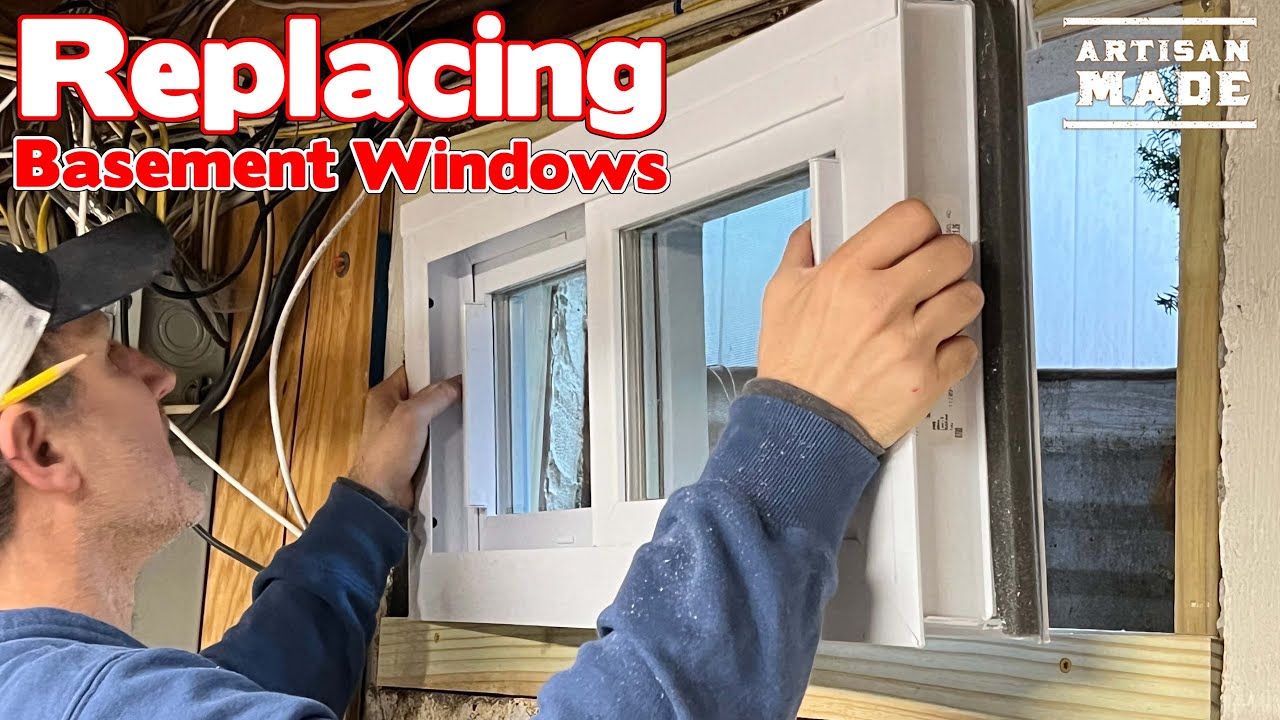
If you value control, have the patience for information, and your range is modest, DIY window installation can be satisfying and efficient. If your home throws you curveballs, or you desire the guarantee of guarantee, routine, and liability, professional window replacement earns its price. In either case, respect the craft. A home window is greater than glass. It's an opening in your wall that has to deal with climate, activity, and time. Obtain the layers right, and you only require to consider them when you appreciate the view.